

Which full-size truck is easier to live with around Alabaster, AL — the 2026 Toyota Tundra or the 2026 Chevrolet Silverado 1500?
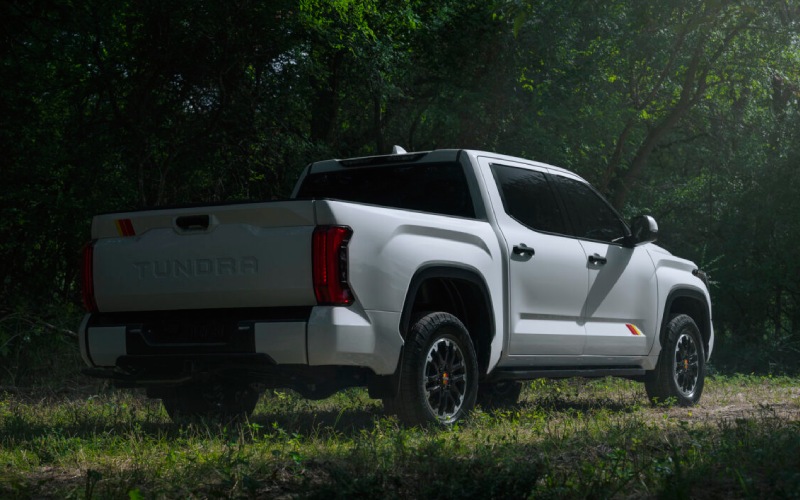
Hoover Toyota – Which full-size truck is easier to live with around Alabaster, AL — the 2026 Toyota Tundra or the 2026 Chevrolet Silverado 1500?
What shoppers really mean by “easy to live with”
When drivers ask which full-size truck is easier to live with, they usually mean a few things at once: smooth ride quality when unloaded, effortless torque when towing or hauling, technology that genuinely reduces workload, and a cabin that limits fatigue on longer drives. Framed that way, the 2026 Toyota Tundra and the 2026 Chevrolet Silverado 1500 take different routes to a similar goal. Silverado emphasizes multiple engine options and a feature-rich camera and trailering suite. Tundra counters with a torque-heavy hybrid option, a multi-link rear coil-spring suspension for calmer daily driving, and integrated towing aids that make tricky jobs feel routine. Around Alabaster, AL and nearby interchanges where stop-and-go meets high-speed merges, those differences surface every time you pull away from a light, park in a crowded lot, or reverse down a narrow driveway with a trailer.
Tundra’s available i-FORCE MAX hybrid pairs a twin-turbo gasoline V6 with an electric motor to produce 437 horsepower and a towering 583 lb.-ft. of torque. That number matters not only for towing but for the way the truck leaps into motion at lower speeds with less throttle and less drama. It also helps the transmission hold gears more calmly on undulating roads, so you feel fewer busy shifts while cruising. Silverado offers robust choices — from a high-torque TurboMax to two V8s and a 3.0L Duramax diesel — and its diesel delivers excellent highway smoothness. If your routine is suburban-to-rural mixing with a trailer in tow and frequent tight turns, Tundra’s hybrid torque curve can make the day feel easier.
Ride quality and maneuverability you notice daily
Mechanically, the Tundra’s multi-link rear coil-spring suspension sets it apart from leaf-spring rivals. On patchy pavement, expansion joints, and residential speed humps, the rear end remains settled and controlled. This pays off even more with a light load, when many pickups can feel bouncy. Silverado’s chassis is tough, and its ZR2 trim brings serious hardware with Multimatic DSSV dampers for rugged trails, but for the broad range of daily driving most owners face, Tundra’s composure stands out. It’s the kind of refinement you appreciate on repeated loops past schools, construction sites, and shopping centers, and on longer highway stretches where less vertical motion adds up to less fatigue.
Towing tech that reduces stress
Both trucks offer rich camera systems. Silverado touts up to 14 camera views and a helpful in-vehicle Trailering App. Tundra’s available Panoramic View Monitor offers clear 360-degree perspective and overlays that aid in tight places. The differentiator is Tundra’s available Trailer Backup Guide with Straight Path Assist. When you’re backing a utility trailer to a side yard or boat down a ramp, Straight Path Assist helps keep everything moving, well, straight — which is often the hardest part for occasional trailers. It’s the feature owners cite repeatedly as the one that lowers their heart rate when an audience is watching.
Both trucks include robust safety suites standard. Tundra’s Toyota Safety Sense™ 2.5 bundles active features including Dynamic Radar Cruise Control that helps with spacing on busy freeways. Silverado provides Chevy Safety Assist standard, and on certain trims you can opt for Super Cruise for hands-free driving on compatible roads and even while towing. If hands-free highway miles are your priority, Silverado makes a strong case. If you value easy-to-understand, always-on driver assists that shine at lower speeds, and in complex parking scenarios, the Tundra’s stack is confidence-inspiring.
Cabin usability and visibility
Clarity counts. Tundra’s available 14-in. Toyota Audio Multimedia touchscreen and 12.3-in. digital gauge cluster present large tiles, legible towing data, and crisp camera views. The interface is designed to work quickly with minimal submenus. An available JBL® Premium Audio system and an available power tilt/slide panoramic roof help the cabin feel open and upscale on longer drives. Silverado answers with an available 13.4-inch center display, a 12.3-inch instrument display, available Bose audio, and clever storage solutions. Both are comfortable and connected. The Tundra’s advantage is how cohesively the screens, towing apps, and 360-degree views work together — it’s easy to find what you need when you need it.
Bed practicality is another dividing line. Tundra’s aluminum-reinforced composite bed resists dents, dings, and rust — a long-term benefit for owners who are constantly loading equipment, mulch, and building materials. Silverado’s steel Durabed is tough and offers 12 standard tie-downs plus the available Multi-Flex Tailgate with multiple configurations, which is undeniably handy. If your bed sees frequent, messy, or abrasive tasks, Tundra’s composite material pays dividends in how it looks and lasts over time without extra coatings or liners.
- Daily drivability: Tundra’s multi-link rear coil-spring suspension delivers a calmer ride on patched and uneven surfaces common around town.
- Low-speed control: i-FORCE MAX hybrid torque and Trailer Backup Guide with Straight Path Assist help with confident starts and straighter reversing with a trailer.
- Long-term durability: The composite bed’s resistance to dents and rust helps the truck stay presentable through seasons of hard use.
Ownership considerations matter, too. Toyota’s reputation for long-term dependability is well documented, and the 2025 Tundra earned a Best Resale Value in its class recognition from Kelley Blue Book’s KBB.com — strong context for shoppers who plan to keep their trucks for years. Silverado counters with recent dependability accolades of its own, plus a deep trims-and-engines bench. When the question is specifically “Which is easier to live with day to day?”, the Tundra’s blend of torque-rich performance, calmer ride tuning, simple-to-use tech, and rugged composite bed creates an experience that asks less of the driver and returns more peace of mind.
Frequently Asked Questions:
Is the Tundra’s hybrid better for towing than the Silverado’s diesel?
They excel in different ways. Silverado’s Duramax 3.0L diesel offers strong highway composure and excellent long-haul manners. Tundra’s i-FORCE MAX hybrid provides greater peak torque and especially strong low-speed pull, which many owners prefer for launching, merging, and maneuvering at lower speeds with a trailer.
Does the Tundra ride smoother when unloaded?
Many drivers report that Tundra’s multi-link rear coil-spring suspension feels more settled and less bouncy without payload compared with leaf-spring setups. Ride quality preferences vary, but this tuning is a core reason shoppers say the Tundra is easier to live with day to day.
Which truck has the more helpful trailering cameras?
Both trucks offer excellent camera coverage. Silverado touts up to 14 views and an in-vehicle Trailering App. Tundra’s Panoramic View Monitor provides crisp, intuitive 360-degree views, and its Trailer Backup Guide with Straight Path Assist adds unique reversing help many owners value.
How do the interiors compare for tech and comfort?
Both are modern and comfortable. Tundra’s available 14-in. touchscreen and 12.3-in. digital cluster emphasize legibility and towing data. Silverado’s 13.4-inch screen and 12.3-inch cluster provide similar functionality. Tundra’s available JBL® audio and available panoramic roof tip the scales for some shoppers who want an airy, premium feel.
If you’re weighing both trucks and want a single stop for a clear, hands-on comparison drive, Hoover Toyota — serving Alabaster, Pelham, and Bessemer — can walk you through how Tundra’s torque delivery, suspension tuning, tech integration, and composite bed come together to simplify daily ownership.

0 comment(s) so far on Which full-size truck is easier to live with around Alabaster, AL — the 2026 Toyota Tundra or the 2026 Chevrolet Silverado 1500?