

Which SUV delivers better off-road capability for family adventures around Pelham, AL?
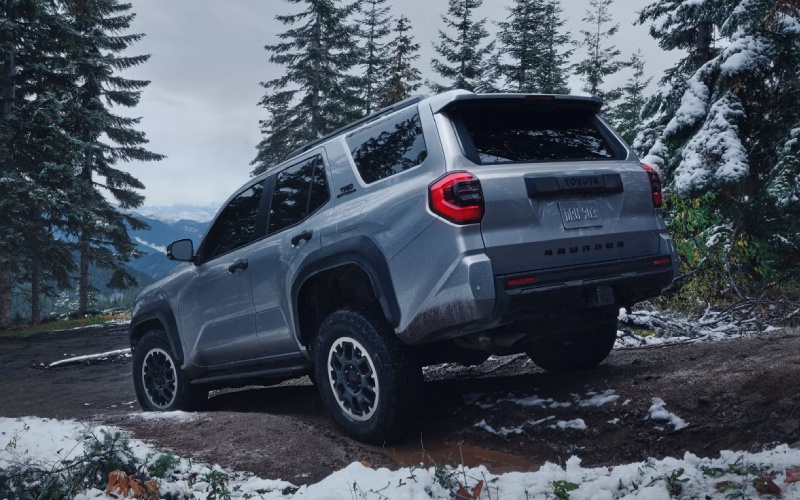
Hoover Toyota – Which SUV delivers better off-road capability for family adventures around Pelham, AL?
Shoppers weighing two adventure-ready midsize SUVs often ask a simple question: which one handles real off-road challenges with less stress and more control? When comparing the latest 4Runner and Passport around Pelham, AL, the conversation quickly turns to the fundamentals — frame, traction systems, and low-speed tools that matter on Alabama’s rutted forest roads and muddy boat ramps. Below, we break down how these two midsize SUVs approach capability, where each shines, and how to decide based on the kind of weekends you have planned.
To start, it helps to recognize that these SUVs are built differently. The 4Runner rides on Toyota’s TNGA-F body-on-frame platform — the same architecture philosophy behind Toyota’s modern trucks — while Passport uses a unibody layout. Both designs have merits, but when trails get uneven or deeply rutted, a strong ladder frame pays dividends in durability and suspension articulation. That difference sets the tone for everything that follows.
Architecture and suspension basics
Body-on-frame construction in the 4Runner delivers a sturdy foundation that resists twisting loads and helps the suspension work with greater independence. It pairs that with an available Stabilizer Disconnect Mechanism that boosts suspension travel at the push of a button for better contact over offset bumps or washouts. Passport is tuned for mixed use, and its available off-road-tuned suspension on TrailSport trims adds resilience on rugged gravel and two-track paths. For casual dirt and graded forest roads, Passport feels settled. For slower, technical sections where one tire may hang low in a rut, the 4Runner’s articulation advantage becomes clear.
Traction strategies: 4WD vs. AWD
Another key difference is how each SUV delivers power to the ground. The 4Runner offers available part-time 4WD with a 2-speed transfer case for true low-range crawling, as well as available full-time 4WD for all-surface, set-it-and-drive confidence. This flexibility means you can optimize for fuel-conscious highway cruising, pick a full-time setup for constantly changing surfaces, or engage low range when you need precise control at walking speeds. Passport counters with the second-generation i-VTM4® AWD system, a smart torque-vectoring setup that routes power side-to-side and fore-aft to maintain traction. It is excellent at stabilizing the vehicle on loose or wet surfaces and makes gravel-road progress easy. However, without a low-range transfer case, the Honda’s slow-speed modulation is more limited when the trail demands inch-by-inch creeping.
Trail vision and driver aids
Seeing the terrain around your tires is just as important as how you put power down. The 4Runner’s available Multi-Terrain Monitor displays selectable front, side, and rear views — including underbody perspectives — on an available 14-in. touchscreen, so lining up a tire on a rock ledge is a confident move rather than guesswork. Honda’s available TrailWatch™ system is also a big help, providing camera views that make tight maneuvers around stumps and rocks less stressful. Both systems shine in dense woods or on narrow service roads in Oak Mountain State Park, where brush can hide ruts and roots. The difference is that Toyota’s camera tech pairs with hardware like low range and the available Stabilizer Disconnect Mechanism, so the picture you see translates into controlled motion over the obstacle.
Beyond cameras, Toyota builds in trail-focused tools such as available Multi-Terrain Select with Crawl Control, which fine-tunes throttle and braking for steady progress on loose or uneven surfaces. Honda’s AWD traction logic is intuitive and effective for light-to-moderate use, and it shines when weather turns Pelham-area clay roads slick. For more technical terrain — say, climbing a washed-out hill to a backcountry overlook — the Toyota feature set maintains momentum with less wheelspin and less stress for the driver.
Practical touches for real weekends
Capability is not just theory; it shows up in the little conveniences. The 4Runner’s signature power rear window is a beloved detail for quick cabin airflow and easy access to a backpack or tackle box. An available onboard air compressor helps you air down for traction, then air back up before the drive home — a time-saver when the nearest gas station is miles away. Pre-wired auxiliary switches simplify adding lighting, a fridge, or recovery gear. Passport keeps things simple and supportive inside, and available MOLLE panel accessories are a neat way to stash smaller items. If your weekends regularly involve changing tire pressures for sandbars along the Cahaba River or adding accessories over time, the Toyota’s built-in expandability pays off.
Inside, there is also a question of space and flexibility. The 4Runner offers available third-row seating, expanding capacity for up to seven when friends want to tag along to a trailhead. Fold the rear seats, and you unlock generous cargo volume for bins, coolers, and camp chairs. Passport’s two-row layout is roomy for five and easy to live with day to day, but when you need extra seats or maximum cargo cube count, 4Runner’s options are tough to beat.
On the tech and safety side, both SUVs deliver. 4Runner includes Toyota Safety Sense™ 3.0 as standard equipment, bundling advanced driver assistance that takes the edge off traffic through Pelham and beyond. Passport includes Honda Sensing® standard as well, with helpful collision-avoidance and lane-centering features. Both can be equipped with large touchscreens, wireless smartphone integration, and smart camera systems. The decision point is less about gadgets and more about how deeply you plan to explore beyond pavement.
So, which one should you choose for off-road confidence around Pelham, AL? If your plan is occasional gravel drives, scenic fire roads, and the rare muddy trail after a storm, Passport offers an agreeable balance of comfort and light-trail poise. If you crave the option to reach tougher trailheads, carefully pick your way up rocky cut-throughs, or build out your SUV with overlanding gear, the 4Runner’s body-on-frame construction, available low range, available full-time 4WD, and trail tech create a bigger margin for growth.
- Trail foundation: 4Runner’s TNGA-F ladder frame, available Stabilizer Disconnect Mechanism, and 2-speed transfer case vs. Passport’s unibody and torque-vectoring AWD built for light-to-moderate trails.
- Traction choices: 4Runner offers both part-time and full-time 4WD, plus available Crawl Control; Passport’s i-VTM4® is composed on loose surfaces without the added precision of low range.
- Weekend practicality: 4Runner’s power rear window, available onboard air compressor, and available third-row seating extend usefulness for family trips and gear-heavy outings.
If you are still deciding, set up a side-by-side look with Hoover Toyota — our team can walk through the mechanical differences in plain language and show how each feature plays out on local roads and trailheads. We are committed to clarity, so you can buy with confidence and head for your next Pelham adventure without second-guessing.
Frequently Asked Questions:
Does the 4Runner’s available hybrid change its off-road capability?
The available i-FORCE MAX Hybrid increases total system torque, which you feel as a stronger low-end response when easing over obstacles or pulling up slick ramps. It integrates with the same 4WD hardware options, so you keep the tools that make slow-speed work easier.
How helpful are the camera systems on tight trails?
Very. 4Runner’s available Multi-Terrain Monitor provides selectable, underbody-aware views that pair with low range and available extra articulation for precise tire placement. Passport’s available TrailWatch™ also helps on narrow paths; it is most effective for light-to-moderate trails where you need to see near-field hazards.
Which is better for a family of five with friends joining sometimes?
Both seat five comfortably, but the 4Runner offers available third-row seating to expand to seven. If you frequently bring along extra friends or need maximum cargo flexibility for Pelham weekend trips, the Toyota’s options give you more room to grow.
What if I mainly drive highways with monthly trail days?
Either SUV will handle that rhythm well. If your monthly trail days involve softer gravel and mild ruts, the Passport is a fine match. If those days sometimes include steep, washed-out climbs or deep ruts after heavy rain, the 4Runner’s low range and available articulation make a noticeable difference.
Ready to take the next step? Our showroom team is serving Alabaster, Pelham, and Bessemer with clear, hands-on comparisons so you can choose the right SUV for your kind of adventure.

0 comment(s) so far on Which SUV delivers better off-road capability for family adventures around Pelham, AL?