

Which truck tows better for weekend getaways around Pelham, AL?
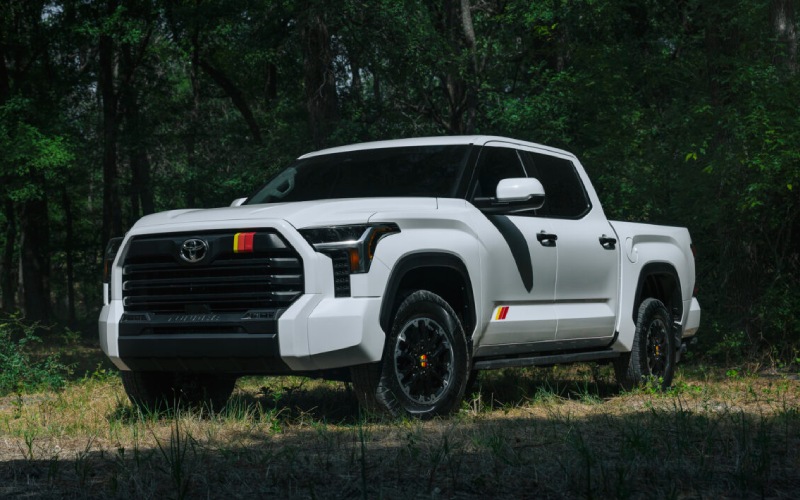
Hoover Toyota – Which truck tows better for weekend getaways around Pelham, AL?
If your week is all job sites and errands and your weekends revolve around boats, campers, or side-by-sides, one question keeps coming up: which truck tows better for weekend getaways around Pelham, AL—the 2026 Toyota Tundra or the 2026 Ram 1500? On paper, both look stout. In practice, the differences show up the second you add tongue weight, point the rig uphill, or try to reverse into a tight spot on a sloped driveway. Below, we break down how towing plays out in real-world conditions, keeping a focus on stability, visibility, and control—the things that reduce stress when you’re juggling family, friends, and a Saturday launch window.
Power and Torque Where It Counts
Tundra brings two twin-turbo V6 options: the i-FORCE rated at 389 hp and 479 lb.-ft. of torque, and the i-FORCE MAX hybrid rated at 437 hp and 583 lb.-ft. That last figure is the star for towing. Electric motor assist fills in torque at low speeds, so the Tundra steps out smoothly with a heavy trailer, even on steep grades or short merge lanes. The Ram 1500 counters with strong gas engines, including the 3.0L Hurricane and a returning 5.7L HEMI® V8, delivering big horsepower and competitive torque. But the Tundra’s immediate low-end pull and calm throttle response make it feel less strained right where you need it—easing away from a stop sign with a boat in tow or adjusting speed to slot into traffic on crowded corridors.
Another practical difference: maximum tow rating. Properly equipped, Tundra reaches up to 12,000 lbs, which edges past the Ram 1500’s available 11,610-lb figure. That margin can be the difference between towing at 90 percent of a truck’s limit and towing with helpful headroom—especially if you’re packing coolers, gear, and a few extra passengers.
Stability and Confidence Under Load
Both trucks ride on a multi-link, coil-spring rear suspension, a design known for better control over uneven pavement. Tundra’s tuning stands out for composure under mixed loads—like when you pair a heavy tongue weight with bed cargo and hit roadway dips in quick succession. Available TRD Off-Road or TRD Pro gear, including FOX® shocks on TRD Pro, takes the edge off choppier surfaces without introducing unwanted float. With Ram, off-road packages bring useful upgrades, but the Tundra’s calm body motions and steady steering feel translate into fewer mid-corner corrections and smoother confidence at highway speeds with a trailer pushing from behind.
Camera Tech and Trailer Tools That Actually Help
Anyone who’s backed a trailer on a crowned side street knows visibility is everything. Tundra’s available Panoramic View Monitor gives you a 360-degree perspective, making it easy to situate your rig precisely. Toyota also offers Trailer Backup Guide with Straight Path Assist, which helps you keep a trailer aligned while reversing. It’s especially helpful on narrow driveways where a few inches matter. Ram offers robust camera options and trailering tech, but Toyota’s interface and guidance cues are remarkably intuitive—perfect for the occasional tower who still wants pro results.
Bed and Utility Details You’ll Appreciate Later
A small detail that adds up over time: Tundra’s aluminum-reinforced composite bed is standard. It shrugs off dings, resists rust, and doesn’t mind wet straps, anchor chains, or abrasive cargo. Ram’s steel bed is stout, but owners who load gear regularly will appreciate how the Tundra bed handles repeated impacts without needing add-on liners right away. Multiple bed lengths, robust tie-downs, and available in-bed lighting on Tundra also streamline the pre-dawn shuffle to hook up and roll out.
Real-World Towing Takeaways
On the towing front, both trucks are capable. The Tundra simply makes the process easier more of the time. Low-speed torque from the i-FORCE MAX hybrid smooths out the hardest parts of towing. The camera suite and Straight Path Assist reduce the mental overhead at the ramp. The multi-link rear suspension keeps things settled when the pavement gets patchy. Those advantages are what you feel at the wheel—less coaxing, fewer corrections, and more time to think about the day ahead.
- Max tow potential: Tundra up to 12,000 lbs when properly equipped vs. Ram 1500’s available 11,610 lbs.
- Torque delivery: i-FORCE MAX hybrid’s 583 lb.-ft. helps the Tundra pull away smoothly at low speeds.
- Trailer tech: Tundra’s available Panoramic View Monitor and Trailer Backup Guide with Straight Path Assist make close-quarters towing simpler.
- Bed durability: Tundra’s standard composite bed resists dents and rust—ideal for frequent loading.
Daily driving matters too. With or without a trailer, the Tundra’s steering precision and throttle calibration make it feel predictable, and its available 14-in. touchscreen keeps critical info clear. Ram’s cabin tech is strong as well, but Toyota’s layout and menus often take fewer taps to reach what you need when you’re lining up hitches or scanning camera views.
Frequently Asked Questions:
Do I need the hybrid to tow confidently?
No—Tundra’s i-FORCE V6 is already strong. The i-FORCE MAX hybrid adds immediate torque at low speeds and can make frequent towing feel more relaxed, especially when maneuvering or merging.
How does trailer stability feel at highway speeds?
Stable. Tundra’s multi-link rear suspension, available load-leveling features, and well-tuned steering contribute to a planted, confident feel when crosswinds or passing trucks add turbulence.
Which camera views help most at the boat ramp?
The 360-degree Panoramic View Monitor for situational awareness and the trailering guidance overlays for alignment. Together, they help reduce multi-point adjustments in tight spaces.
If you’re mapping out your next string of weekends at laydowns along the river or a cabin run with a small camper, the Tundra’s blend of torque, composure, and towing tech proves tough to beat. Factor in Toyota Safety Sense™ 2.5 and available TRD features—from TRD Off-Road to TRD Pro with 18-in. BBS® forged-aluminum wheels and FOX® shocks—and you get a truck that works hard Monday through Friday and adapts seamlessly on Saturday morning. When you’re ready to compare configurations or talk hitches, wiring, and weight distribution, our team can walk you through the details and set you up for confident towing from the first pull-away.
Count on expert guidance and straightforward support from Hoover Toyota, serving Trussville, Alabaster, and Pelham.

0 comment(s) so far on Which truck tows better for weekend getaways around Pelham, AL?